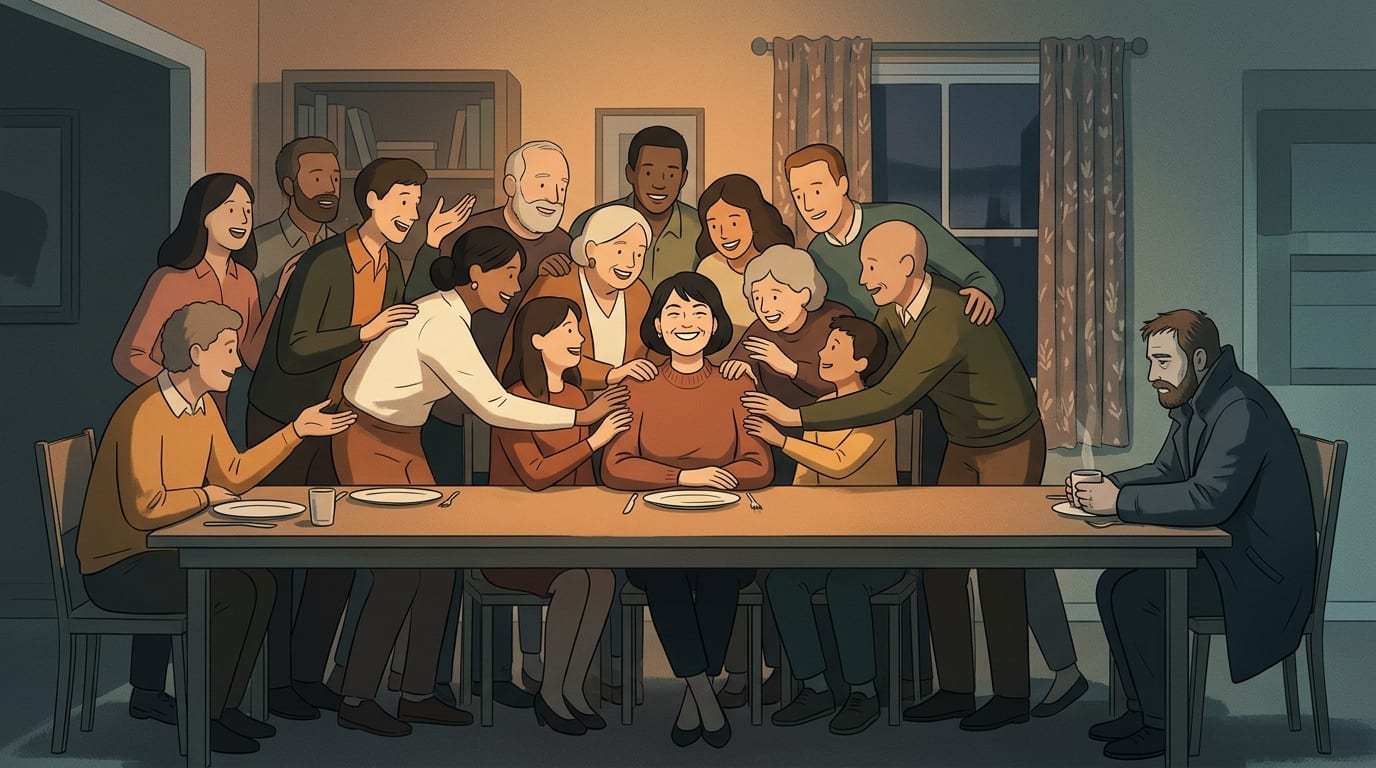
Have you seen this before?
I want you to understand what it means to be a child so defensive of their toxic, hurtful parent that you can’t fathom why it’s even the case.
I want you for a moment to travel into the child’s mind with me so we can get to the bottom of why someone so cruel and cold is protected by the very child you are raising with love and warmth.
Where did it go wrong?
Well, I will say this:
All is not as it seems.
There is a reason that is more cruel than the narcissist itself, and I think you’re going to want to stick around to find out what it is.
The intimidation behind the defence
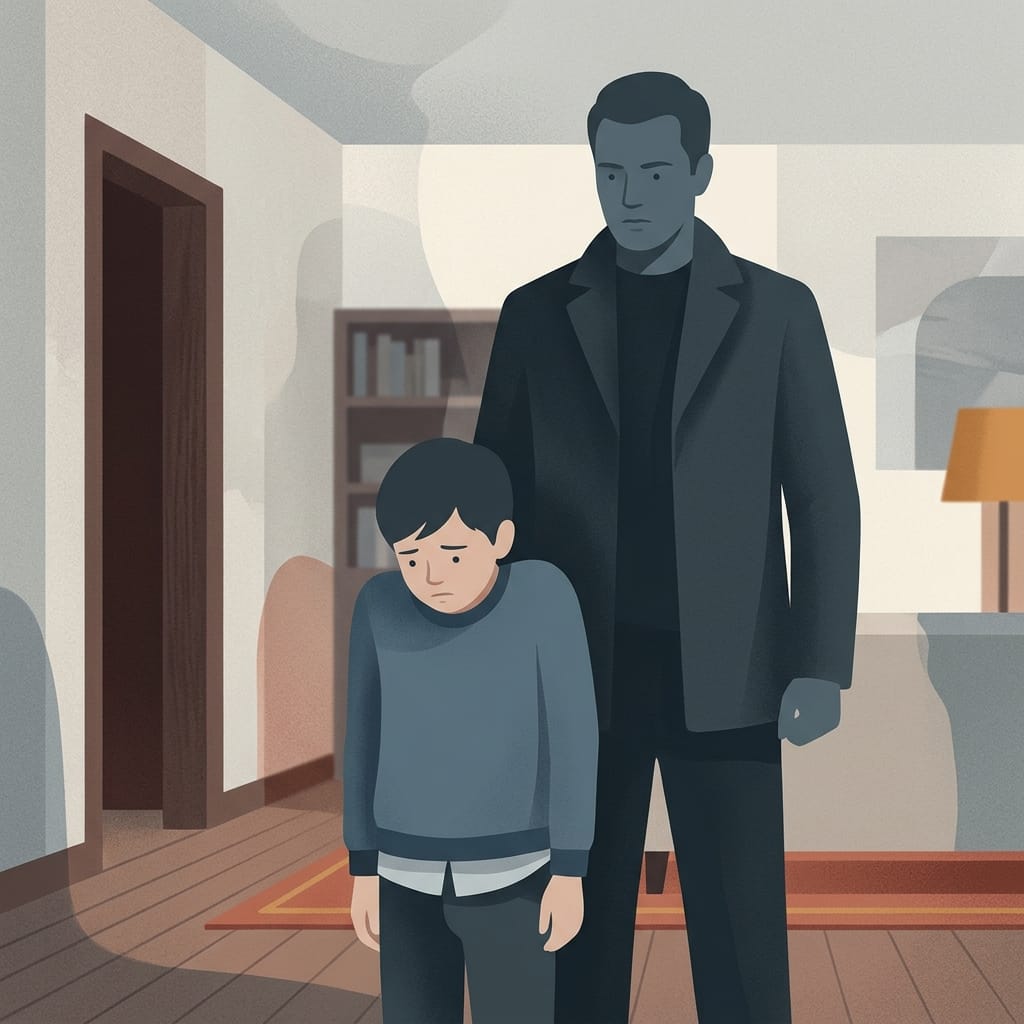
It’s a reason that is incredibly raw and painful, yet one we can’t ignore, right?
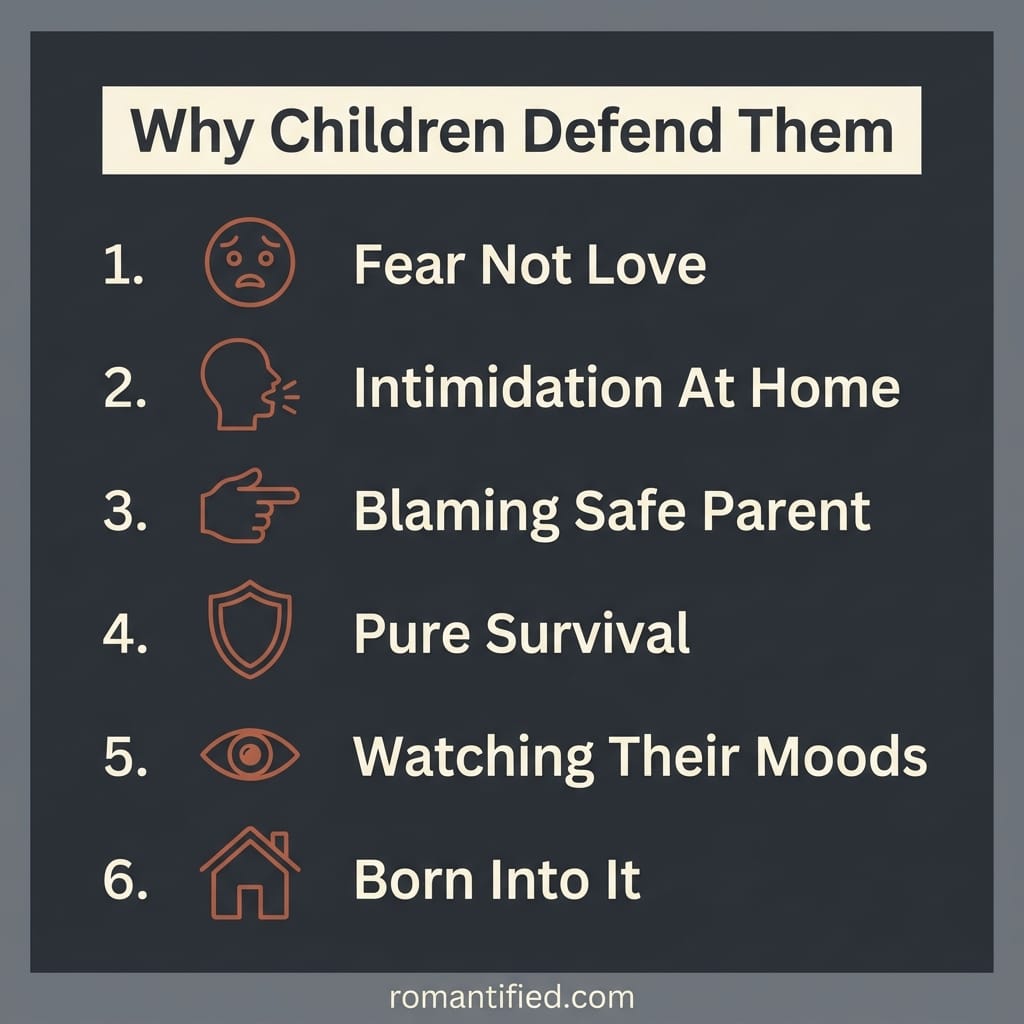
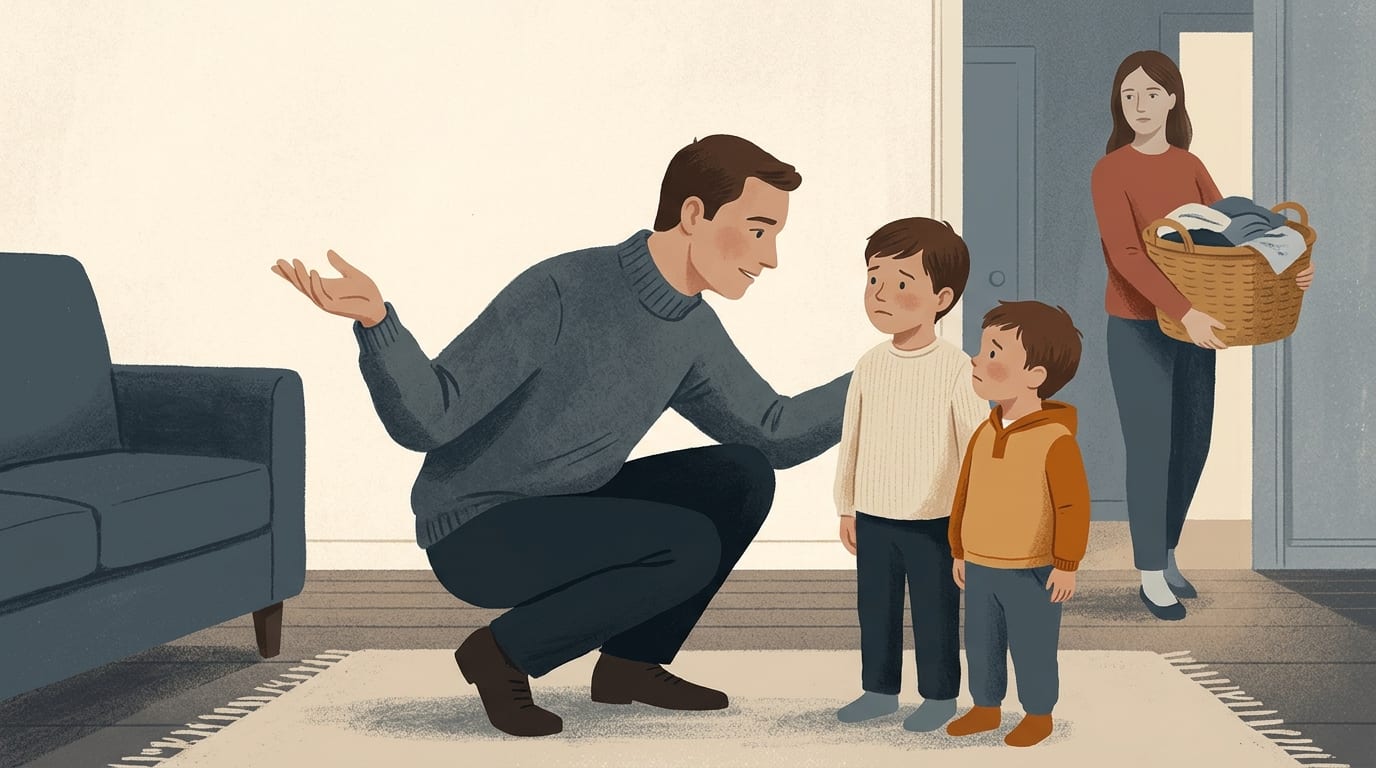
The children defend the parent who hurts them because they’re intimidated, and lack feeling safe enough to speak the truth.
Remember who you’re dealing with here:
A narcissistic, evil, toxic adult.
Children.
 See also8 Ways Narcissistic Fathers Train Children to Blame Their Mother
There’s no real balance or fairness here, is there?
A child looks up to any adult in authority and wants to be able to feel safe, and so they do what it takes to comply. That can be mild, such as being at school and listening to the teacher, or being at home and making sure the house rules set by these people are followed.
Nice, if healthy. But what if you’re dealing with a narcissist? What if one of that child’s parents were a narcissist?
The child ends up feeling intimidated, rather than being in a normal position of following rules.
When something in the home happens where a parent needs defending, the child will often resort to defending the parent who hurts them because they’re frightened about what will happen if they don’t.
It’s horrific, right?
 See also5 Creepy Things Every Narcissist Hides Somewhere in Their House
To think that a child doesn’t want to challenge their narcissistic parent’s version of events, they don’t want to expose their behavior, and they don’t want to be punished.
It’s then better to defend them, even if they’re being hurt by them.
It’s what you should come to learn is actually a survival strategy. They know the parent who bites back, and they go, and will always go, with the safest option.
Alongside that sits the emotionally stable and predictable parent who they go up against, because doing so feels safer. They trust that parent, and they know the healthier one won’t retaliate or withhold love as a result.
I know for a fact that this is what people struggle with. I see it and hear about it and it truly breaks my heart to think this is happening.
Knowing which parent will punish them for speaking up is a big red flag
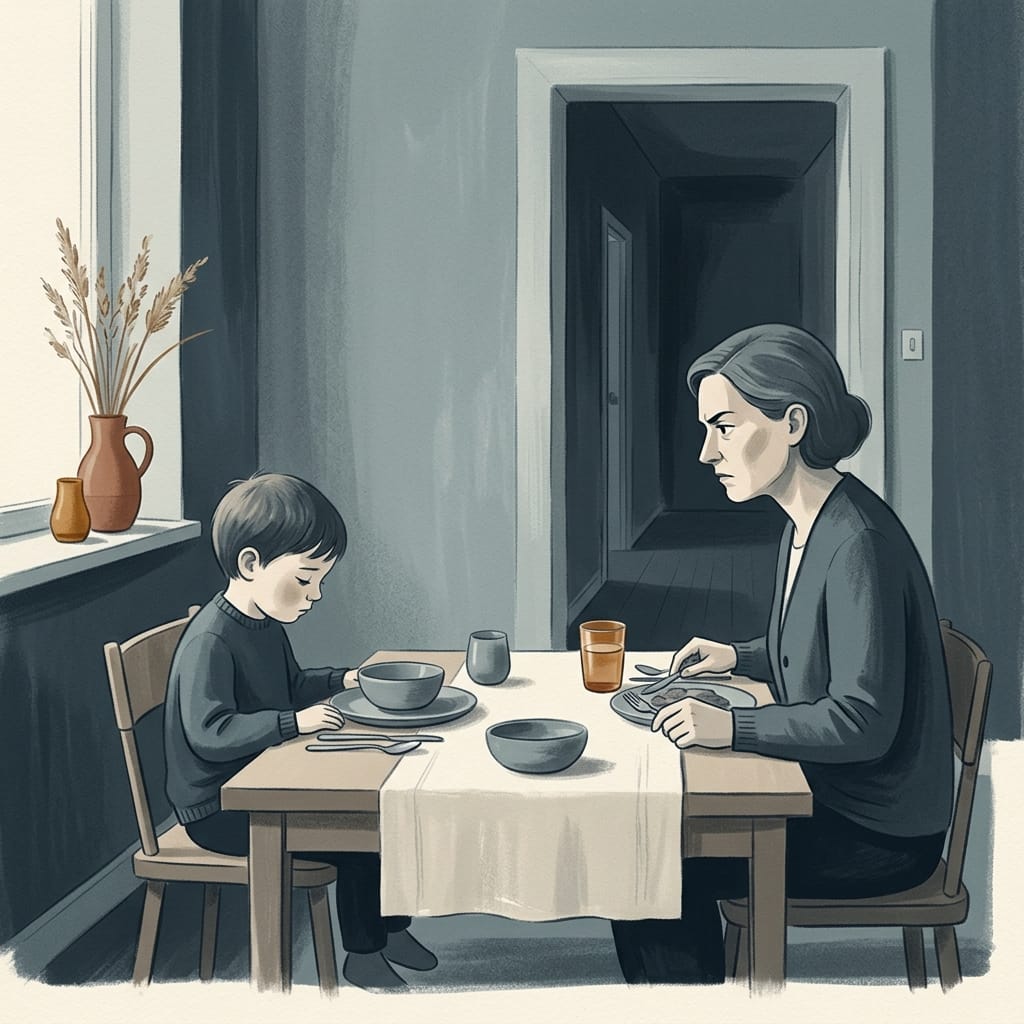
Imagine living in a house where you’re the parent who is known for being the one who punishes their children for merely speaking up and having a voice? I’m not necessarily talking about being rude or disrespectful overtly, I mean expressing an opinion, or disagreeing with something that was said.
From a very early age, children will know who this parent is, and they will find that parent unsettling as much as it is worrying.
These parents won’t hesitate in dishing out the silent treatment if they need to, or that they explode over any tiny conversation that doesn’t go their way.
 See alsoWhen a Narcissist Finally Realizes Their Behavior Cost Them the Right Person
The biggest red flag is that a child is in any way, shape or form aware that a parent that fits this description even exists in their life.
Defending that parent feels like they’re actually protecting themselves in doing so.
How wrong is that on a foundational level?
We need to talk about that more.
The safe parent is the one who ends up with the blame at their feet
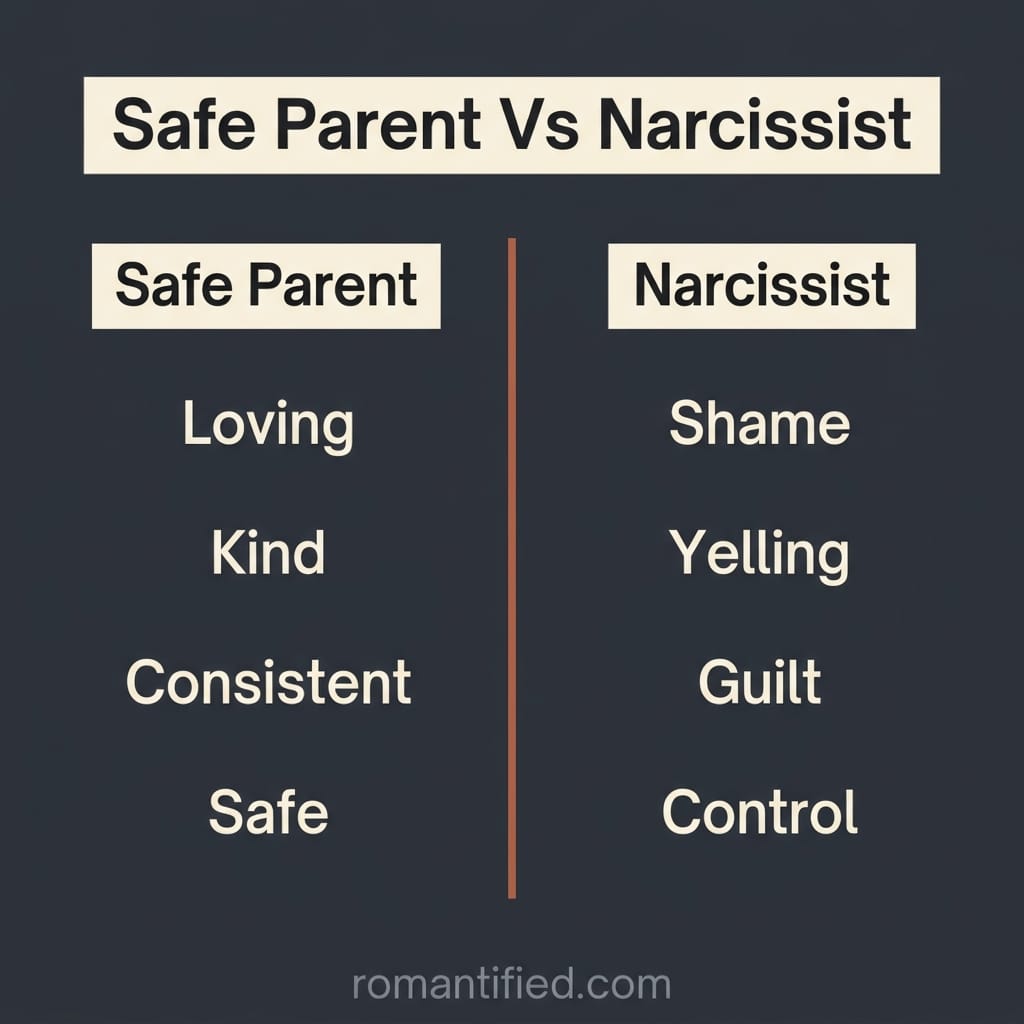
It’s easy to blame a parent you know isn’t going to punish you, or make you regret your choices.
Safe parents are:
- Loving
- Kind
- Forgiving
- Unconditional
- Nurturing
- Encouraging
- Consistent
- Secure
- Safe
That last point hits home for you, right? A safe parent. We don’t get that with the narcissistic parent. Instead, we get:
- Shame
- Criticism
- Yelling
- Slamming
- Inconsistent moods
- Guilt
- Neglect
- Worry
- Gaslighting
- Control
- Manipulation
- Nothing safe
Knowing you have a parent who won’t retaliate in the same way the narcissistic does makes them an unfortunate target for the children, which means in turn, the child is more likely to snap, yell, or accuse them.
Meanwhile, everything they feel about their toxic parent gets suppressed and held back.
Fear is mistaken for loyalty
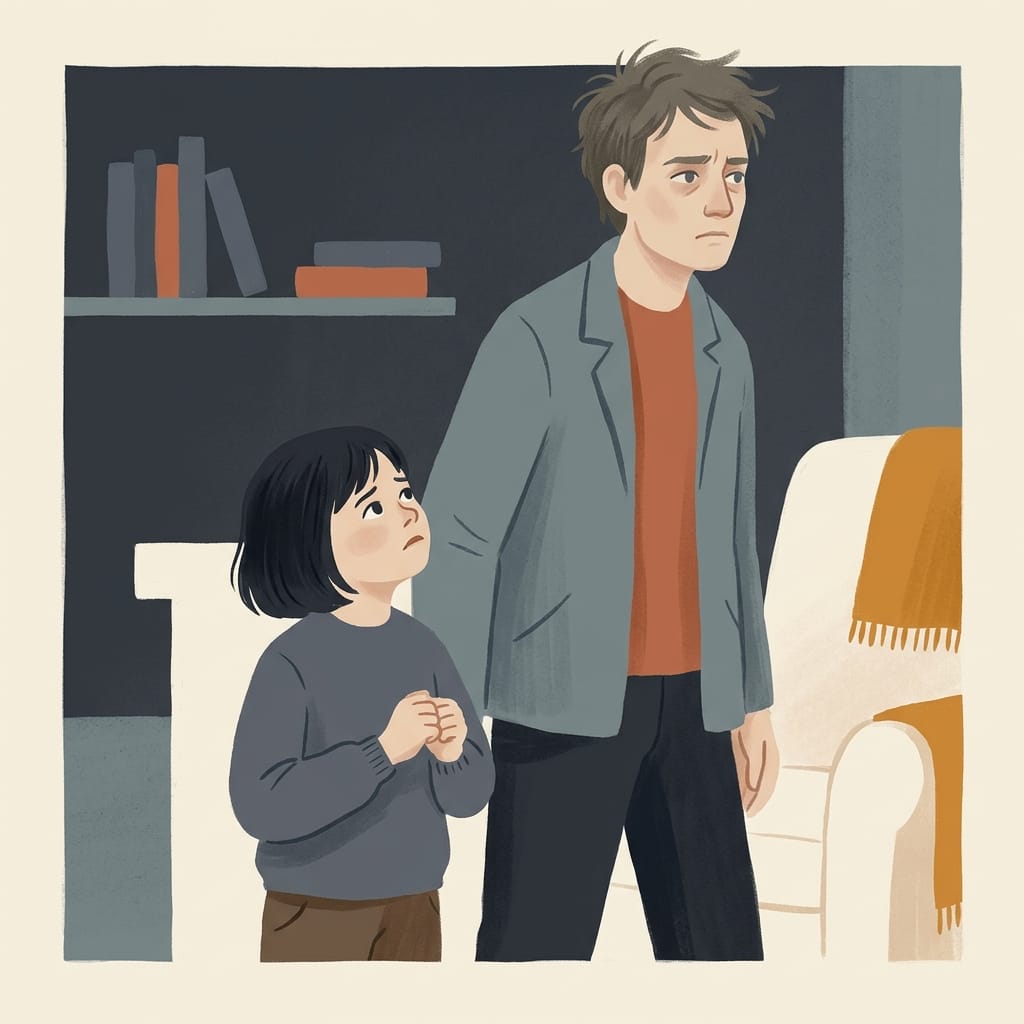
Fear and loyalty aren’t the same thing, but it’s in the child’s fear you do see patterns of loyalty come up.
This is all about a young person having to monitor their parent’s mood. They’re waiting for reactions and they feel responsible for making sure they stay happy, which no child (or adult for that matter) should be doing.
The driving force behind this loyalty is anxiety, and that’s the root of why they side with their narcissistic parent in the first place.
It’s the parent who hurts, but it’s the parent they jump to defend.
 See also7 Weird Feelings That Often Show Up Around Narcissists
You know, it is possible for love and intimidation to co-exist, and this is what we’re seeing here.
Children never realize they’re actively punishing the safe parent
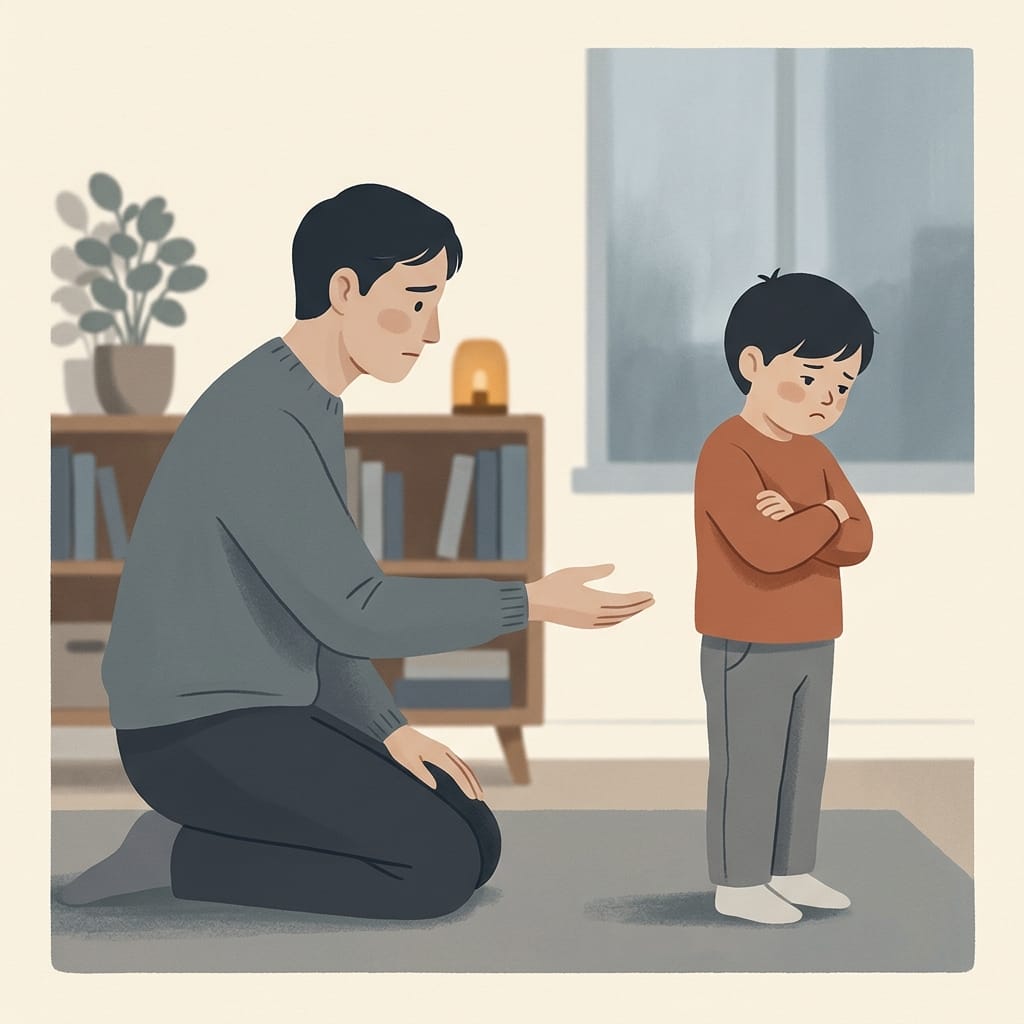
You’re asking or expecting a child to consciously know what they’re doing, when in reality they haven’t got a clue why this is happening, only that they need to do what they need to do in order to survive.
It’s painful for the parent who isn’t abusive to know that they’re being treated this way, while knowing just how toxic their spouse is.
“Why am I seen as the bad guy when this person is getting away with being a terrible person?”
It cuts deep, but it’s where the child has learned over time that a certain parent’s moods must be maintained at all times, and the bad ones (which are plentiful) should be avoided at all costs.
Children learn what the fallout is, and they’ll do anything to avoid falling into it.
Children: trying to survive a power play they didn’t ask to be a part of
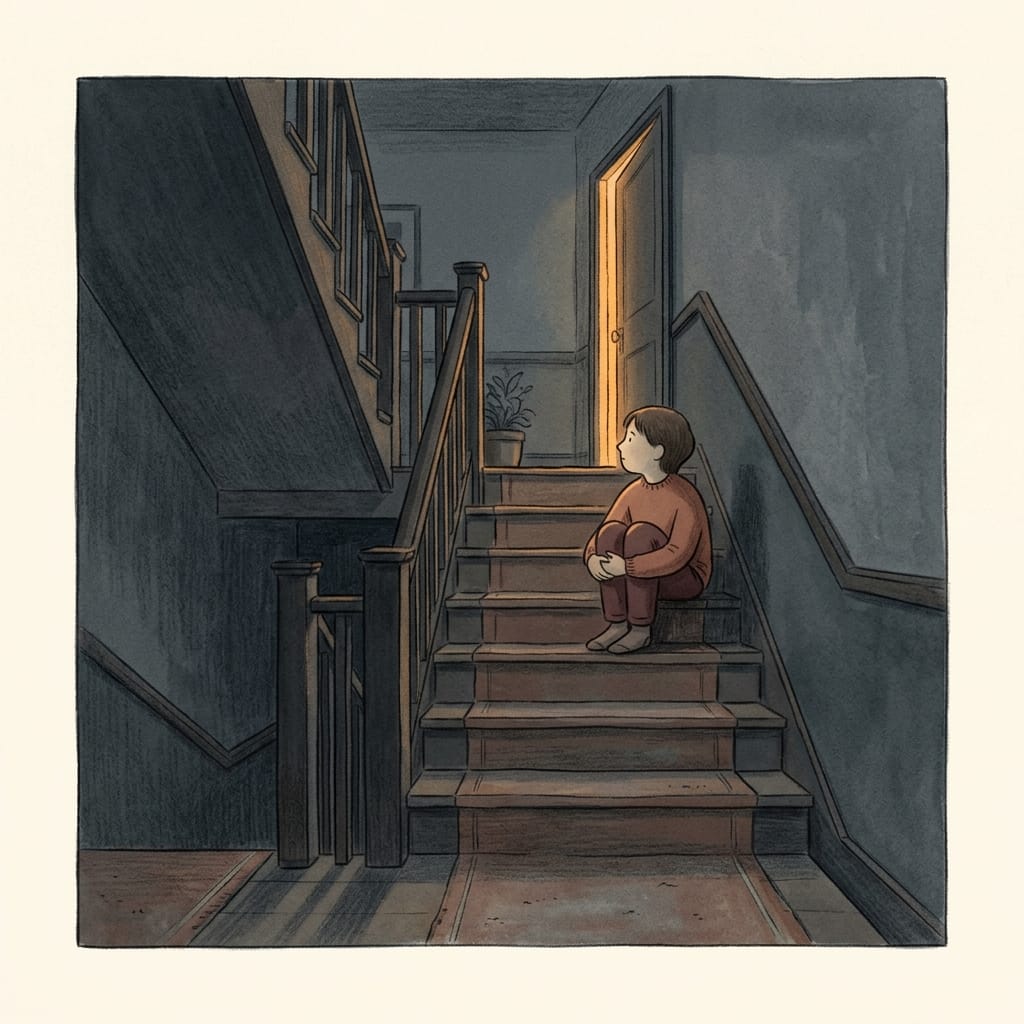
No person alive was asked to be born into a family of narcissists. We don’t get a say in who our parents are, and for a lot of people that’s a difficult thing to live with.
 See alsoTHIS is What Makes Narcissists
When you’re a child, you can’t walk away from a person the same way as you are more free to do in adulthood, and so you’re left at home, growing up in the same house as someone who makes the whole house feel like walking on eggshells.
When one parent is intimidating and uses that intimidation to get what they want, a child will want to do anything in order to survive it.
It’s the parent who feels safest that ends up receiving the worst treatment, and the feared parent gets the most protection.
I know it doesn’t seem to make sense, but when you unpack why, you’re left with some pretty astonishing reasons.
Nothing is ever straightforward when it comes to narcissism.