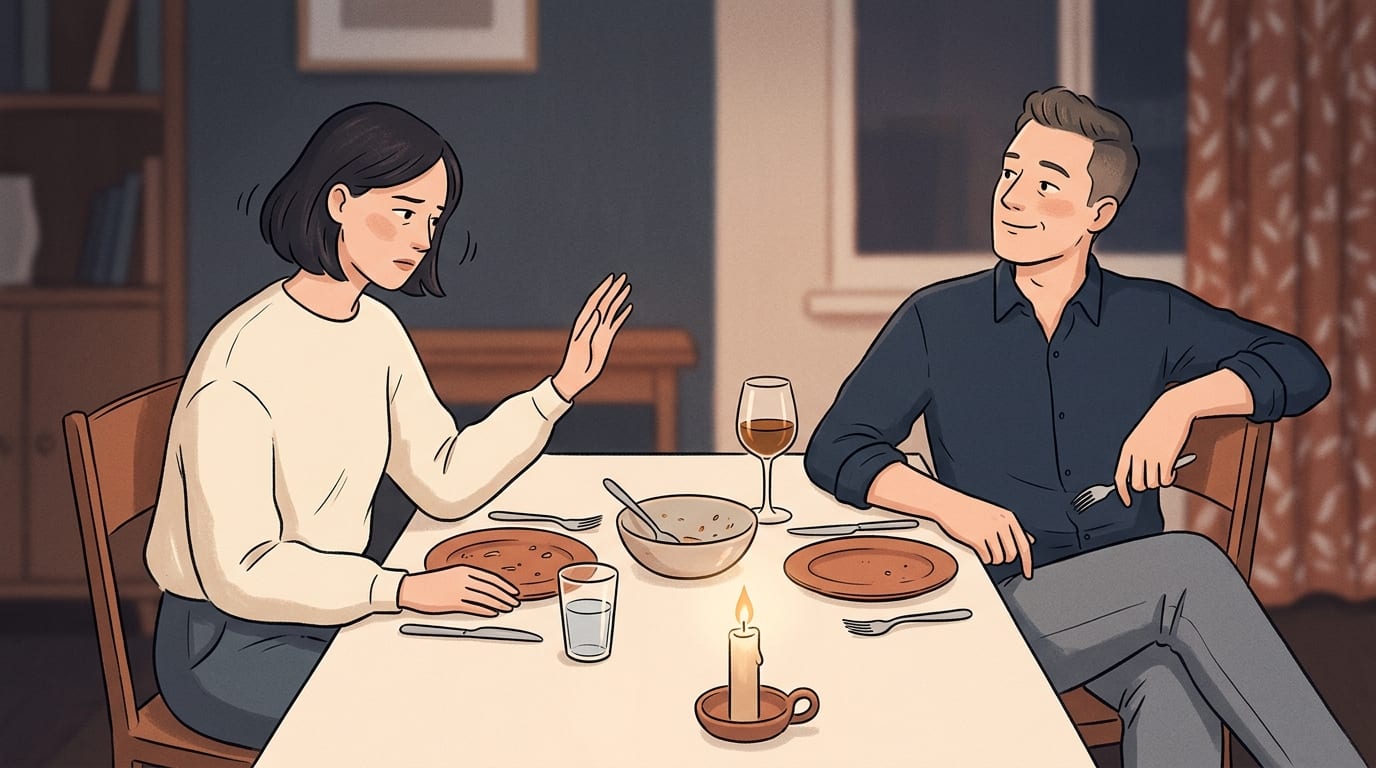
Parent one: They scream, manipulate, control, neglect and disappear. They get a free pass, and all the protection in the world from your children. Parent two: They stay, they love, and they take all the blame even though they’ve done nothing wrong.
They get a hard time, but they’re constant and warm. Your children then? Well, they turn against you in the blink of an eye. Why is that exactly? You don’t have to keep trying to figure that out any more. I have the answer right here.
And I promise you, once you see it, you can’t unsee it. It’s one of the cruelest patterns I come across in this work, and it happens in home after home.
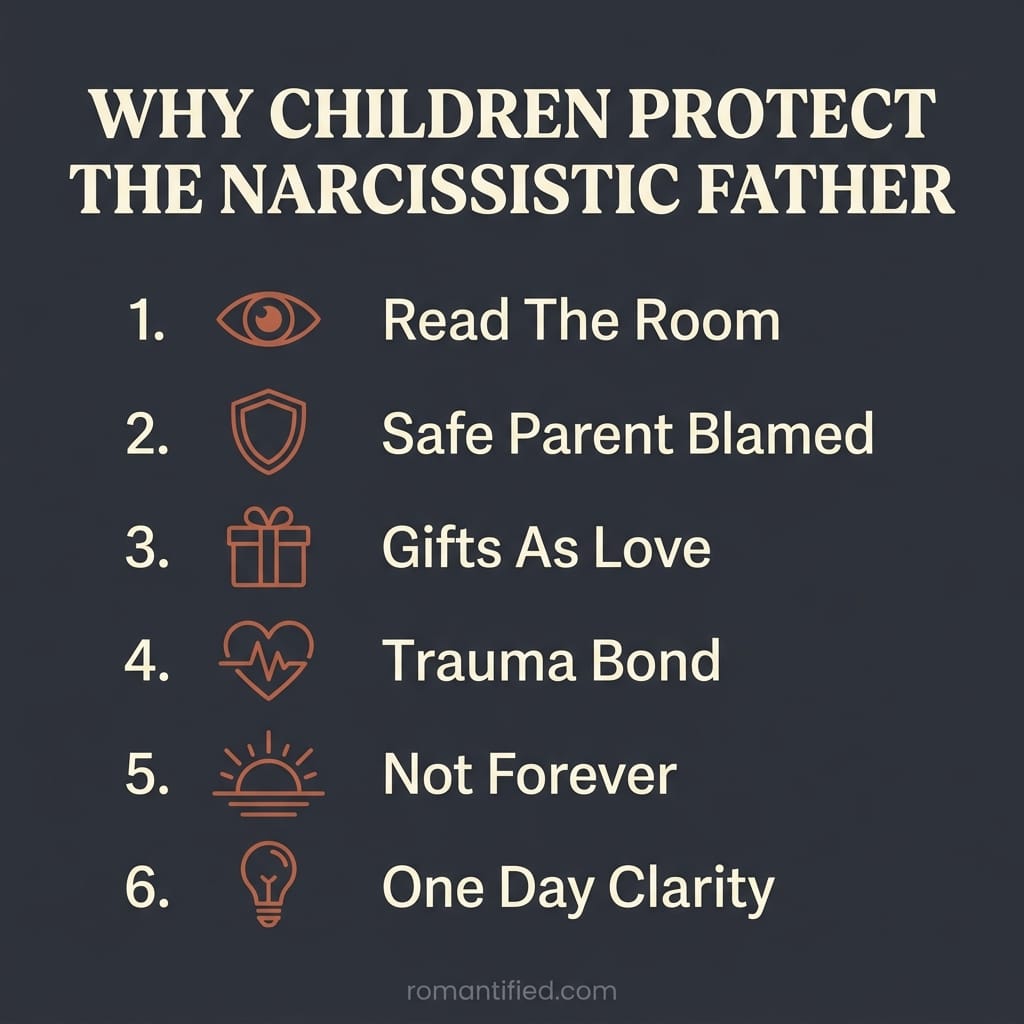
1He gets protected while she is turned against
Kids who grow up having a narcissistic father will learn very early on that safety in their home is not automatically given or offered.
If they want love, they have to earn it, and they always have to be prepared for anger to rise and fall at their feet at any given moment.
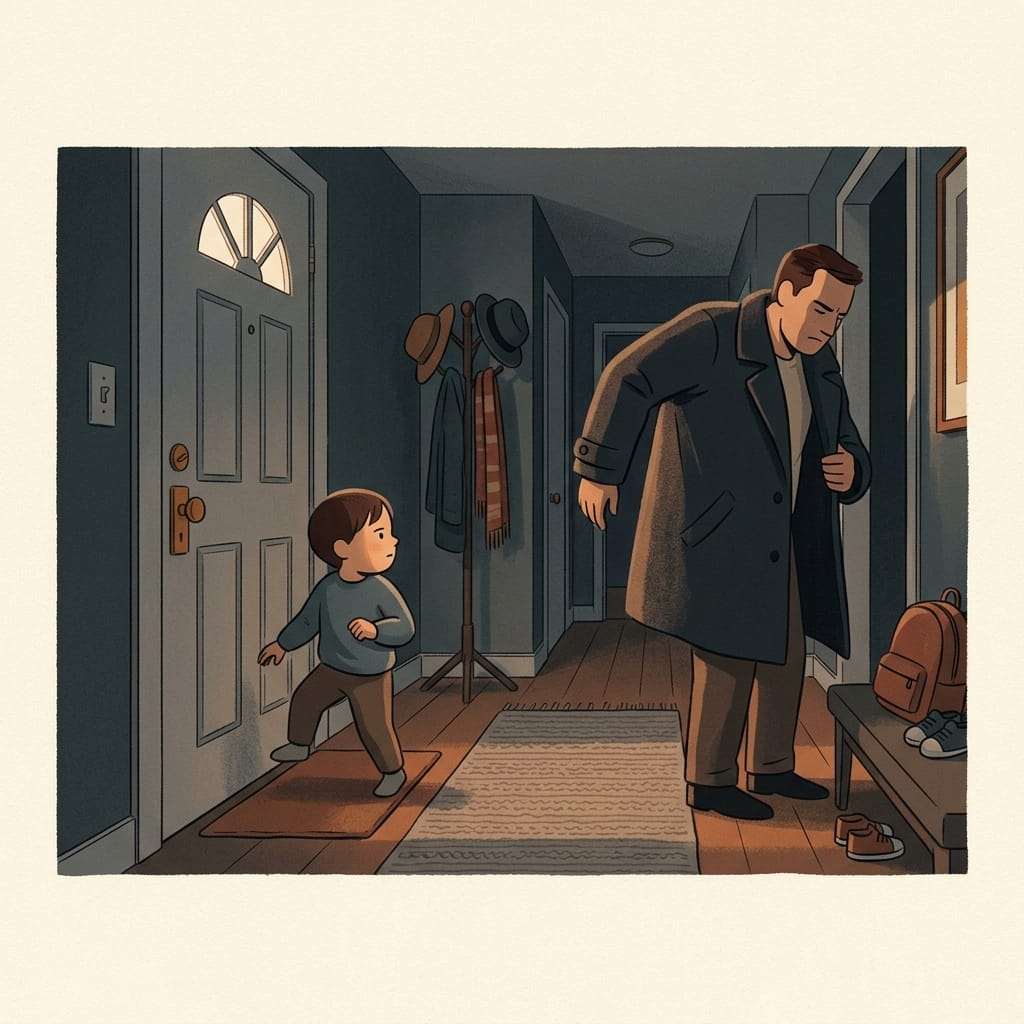
Knowing this about their toxic dad, what choice do they have other than to try to manage him the best way they know how? Children here will learn to read the room, and make sure they can gauge their dad’s mood the second he walks through the door.
They make sure their voices aren’t too loud, or too quiet, or too full of attitude. Kids in this position don’t want to show their anger toward their narcissistic dad, because anger isn’t allowed to come from anyone but them.
Children of narcissistic fathers learn to not ask for much, because asking looks too demanding. These poor kids just want to keep the peace; they don’t want those storms to start. Often, that means the stable, good, warm and loving mother gets turned against.
The children know whose side they want to be on, but that’s a very different story from whose side they need to be on in order to protect themselves.
I had a client tell me her son once whispered, “Mum, I know it’s you, but if I hug you he’ll go mad at us both.” That broke me.
2Why does the safe parent get this treatment?
If you’re the safe parent, let me tell you something important:
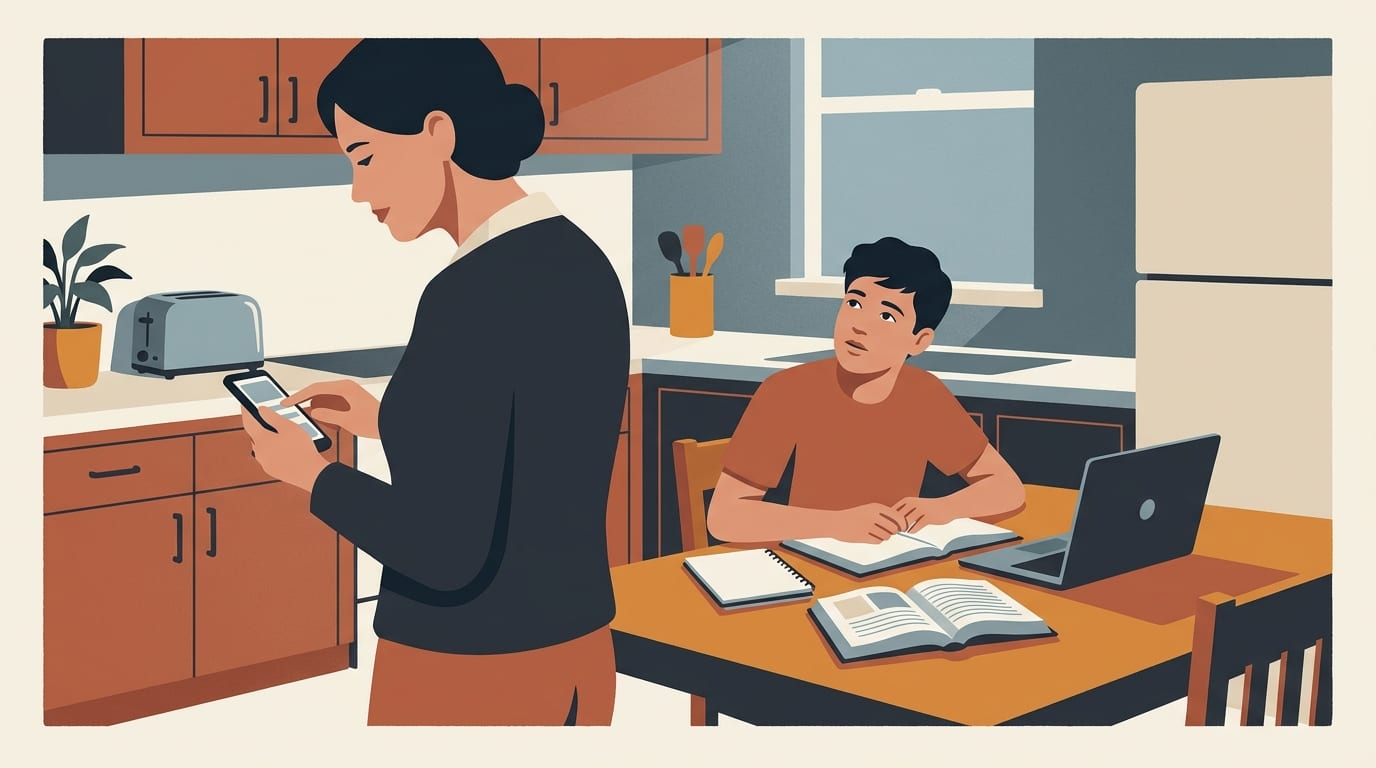
You get this treatment because you’re safe. You’re the parent who remains calm and consistent; the child can afford to be angry with you because they know you won’t punish them, or abuse them.
When frustration is directed at you, or the child uses their time to fully decompress in your presence, they’re showing you that they know it’s okay to do that.
 See alsoWhy Narcissistic Parents Suddenly Lose Interest When Their Child Becomes a Teenager
There doesn’t need to be any confusion around it, because you never explode, and if you do tell them off, you do so gently yet firmly, and with love. You don’t make them pay, and their feelings are valid.
The fear around the narcissistic father remains, yet comes out aimed at you instead. Why don’t you ever let me do anything? Dad is so much better than you. He’s way more fun. You always ruin everything. Typical, right?
None of it is supposed to be fair, but it does shine a light on what’s really going on underneath these dynamics.
This is a child fighting for survival, and the only way they know how to do that is by making sure you as the safe parent gets the treatment they see fit to serve you. Trust me, this has nothing to do with your parenting.
I had a client sob down the phone once, saying, “He tells me he hates me every night, and then hugs his dad who ignores him all day.” That’s the pattern.
 See also5 Passive Aggressive Tactics Narcissists Use That You'd Never Recognize As Abuse
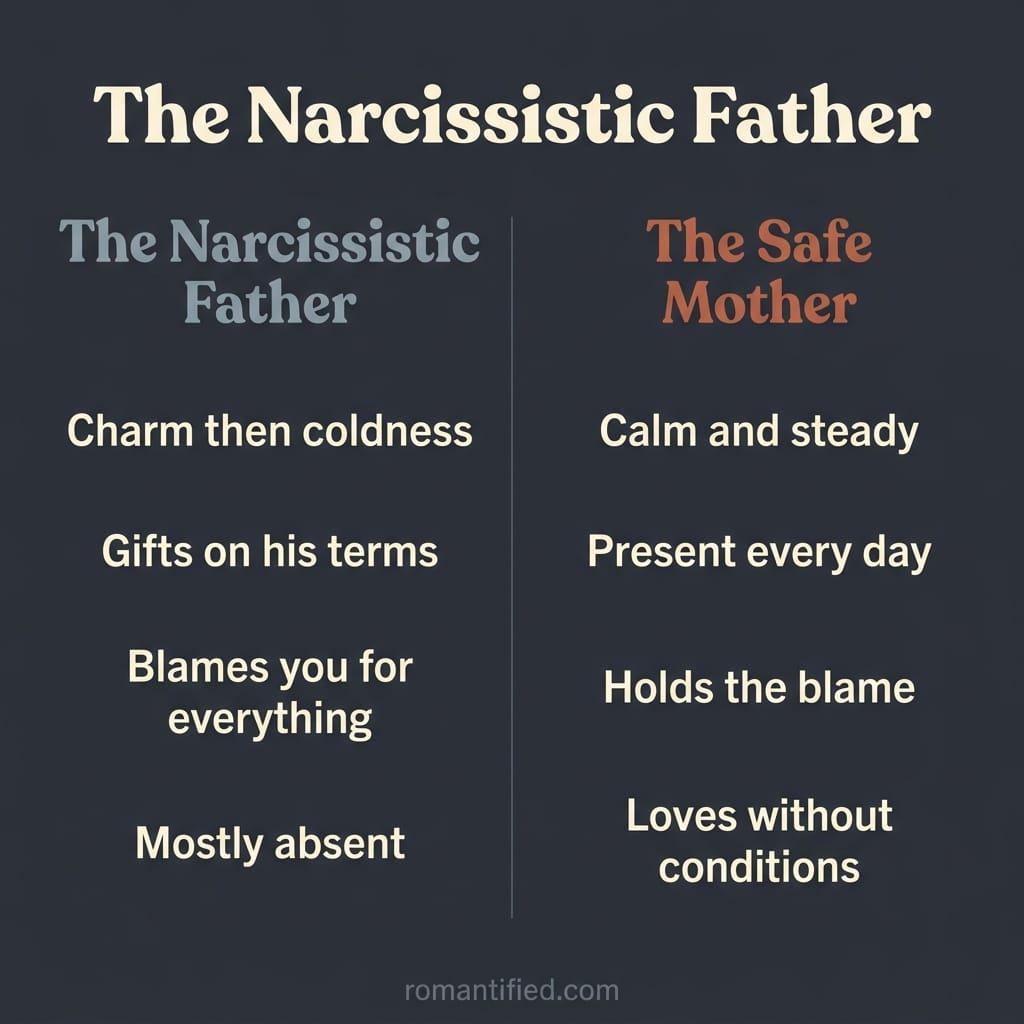
3The narcissistic father works hard to play out their choice of dynamic
Winning your children over isn’t something the narcissistic father, your spouse, does by chance. There is nothing accidental about why they choose him over you.
This is something he starts working on from the moment those two pink lines show up on that pregnancy test, and from then on, his mission is to divide and conquer. He wants as many allies as possible in his life, and he will stop at nothing to get them.
Colleagues, family, friends, even his own children will be pulled in and used. To win his children over, it all starts with, “What can I get for you?” Gifts are bought, and they can be lavish, but always on his terms.
He will take the children out to places that you might not be able to afford to go and take them to, or even consider suggesting. The reason he does this is because most of the time, he’s actually very absent.
To make up for lost time, he throws money at the children because he knows it will win them over and look like love. Money is not love. If anything ever goes wrong, it’s you who is to blame, and nobody else.
I couldn’t get there, your mother gave me the wrong directions. She’s always trying to make things difficult. I would have come along, but she always insists on making it about her.
Comments like this are always intended for you to be the bad parent, and children are very impressionable when they’re young.
If they hear these kinds of things enough, they will start to firmly believe that you’re the one who is causing all the problems, and that their narcissistic father is constantly trying to save the day and be the hero they need.
 See alsoWhen a Narcissist Finally Realizes Their Behavior Cost Them the Right Person
And the kids repeat it back word for word. “Mum ruined it again.” “Dad tried, but she wouldn’t let him.” Suddenly you’re the villain in your own house.
Planting seeds in soil so vulnerable is what these toxic creatures do best, and sadly a lot of the time, it does end up causing so much pain and conflict for families.
4The early obsession with a trauma bond
It isn’t just adults that can form trauma bonds; children can, too. If anything, having a narcissistic parent can strengthen those bonds instead of weakening it like you might think. Things get hot, then they get cold.
There are small moments, fragments if you will, where the narcissistic father is fun and everything the children hope for and more. He’s kind, loving, warm and interested.
But those moments never last for long, and they’re held on to and remembered by the children, who fight and wait for the next time he shows those emotions. You? You’re always stable.
You are never too much of anything because you want them to have a consistent parent who loves them unconditionally. For the child’s nervous system, you probably seem a little bland in comparison, but that doesn’t mean you’re doing anything wrong.
Those rushes simply don’t exist with you because you’re never too angry, or too over the top.
You’re not terrifying, and the only thing that makes up for that kind of feeling is a parent who gives them everything and makes it all better, like a huge rush of positivity and charm. Charm. Right there. That’s the toxicity.
Like a switch flipping from one emotion to another in a moment.
And the kids ride that switch like a rollercoaster. The drop, the climb, the drop again. That’s what their little bodies start calling love, sadly.
5Don’t worry, it doesn’t last a lifetime
I want to let you know that even if you think you’re the one who your children never come to, or never want to listen to or protect, this will not last forever.
At some point or another, children almost always reach a point of clarity where they see everything crystal clear. You can’t rush them to that moment, because they have to be old enough to figure it out themselves.
One day they’ll be sat with a partner who actually listens, and something will click. They’ll think back, and the whole story starts rewriting itself.
 See alsoHow to Win Without Ever Fighting the Narcissist
Healthy love will paint a picture for them someday, and when it does they will realize their narcissistic father doesn’t resemble that picture one little bit.
6The guilt that eats you alive at 10pm
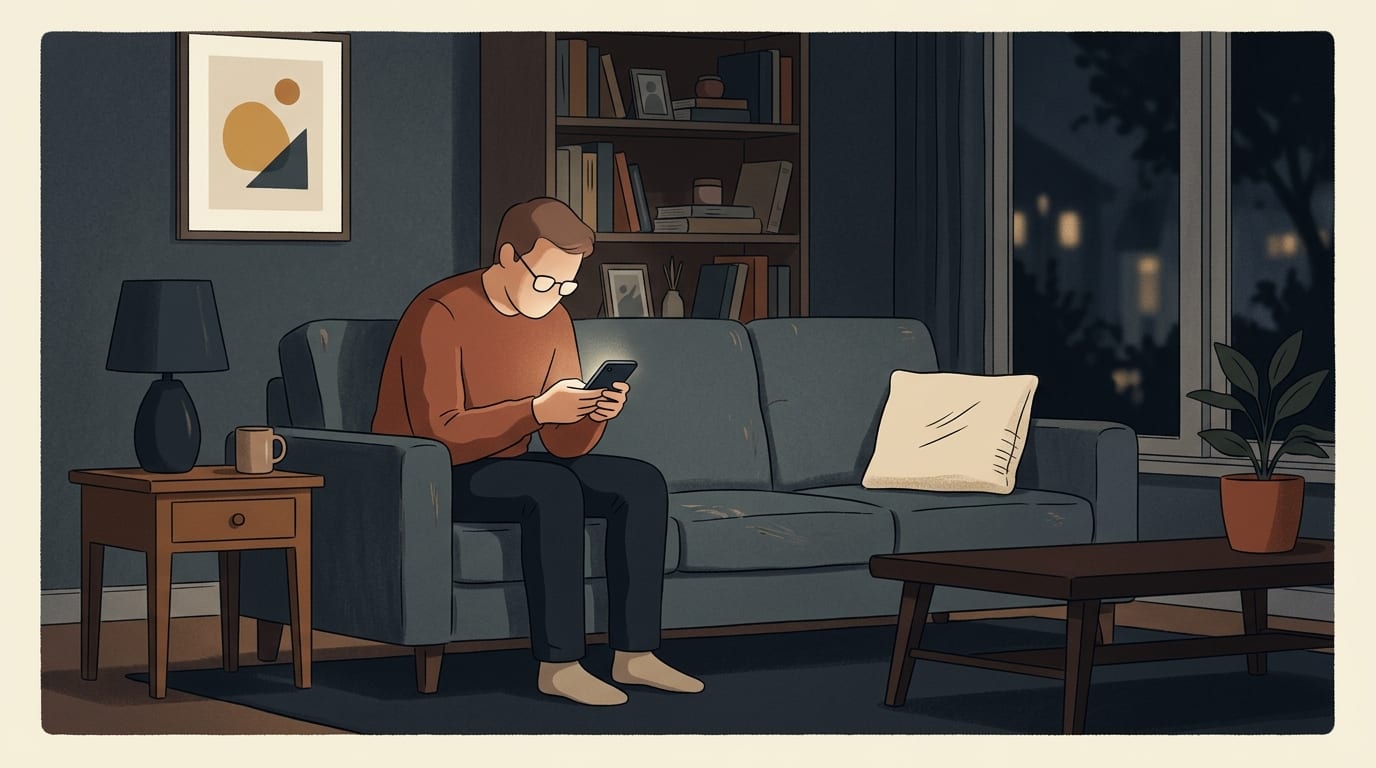
You put the kids to bed. The house goes quiet. You pour a glass of something, sit on the edge of the couch, and it hits you.
What if I’m ruining them?
Because you left. You broke up the family. You couldn’t just grit your teeth and stay, and now they’re defending him and looking at you like you’re the villain. So the maths in your head does the cruel thing it always does at 10pm. It says, this is on me.
It isn’t. I promise you it isn’t. But guilt doesn’t care about the truth, it just wants a body to feed on, and yours is right there, tired and second guessing every decision you made this year.
You did the harder thing. You chose their long term safety over your own short term peace. That’s not damage, that’s parenting.
The guilt will still show up tomorrow night, mind you. And the night after. Let it come, notice it, and then remind yourself why you left in the first place.
7What your kids will say to you one day
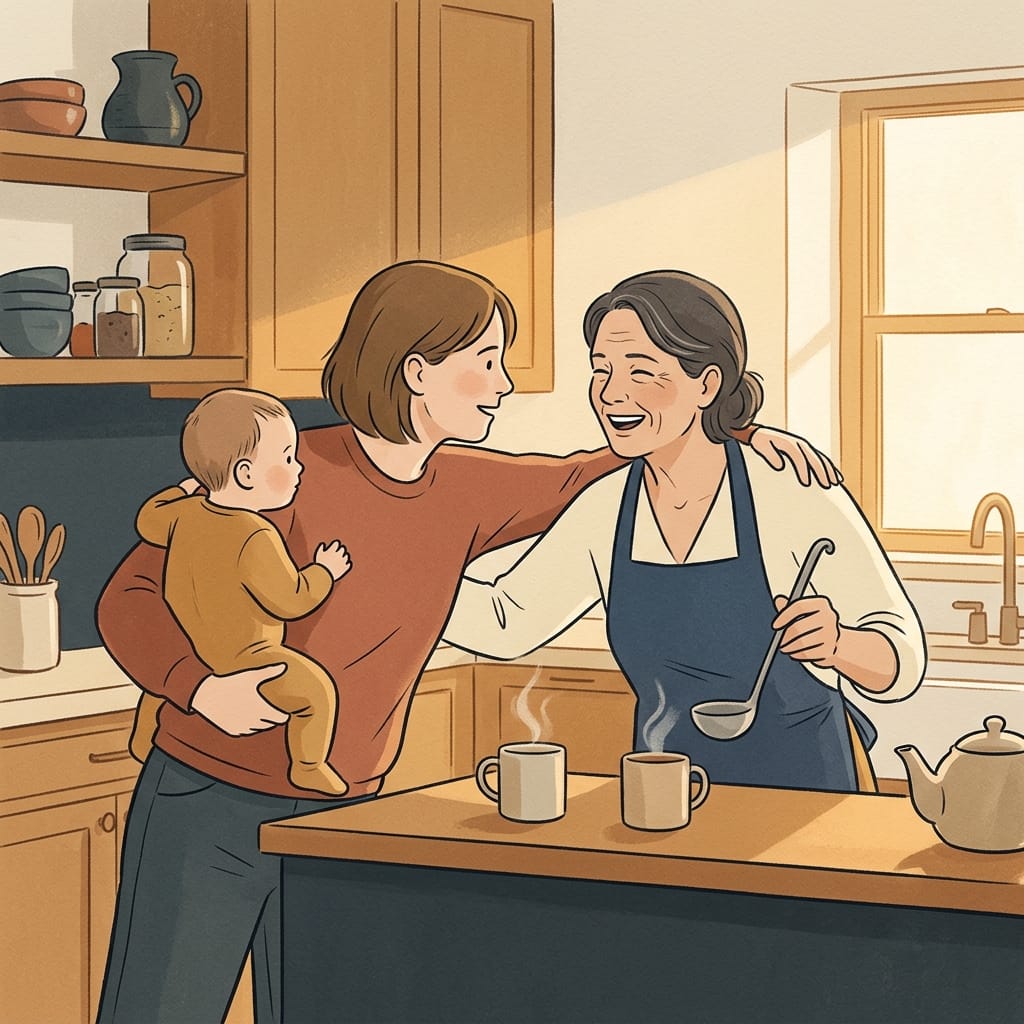
One day, and I promise you this, your kids will come to you. Maybe they’ll be 19, maybe 35, maybe standing in your kitchen with their own child on their hip. And they’ll say something like, “Mum, I’m so sorry. I didn’t understand.”
 See also5 Creepy Things Every Narcissist Hides Somewhere in Their House
They’ll say, “I know now. I see what he did.” They’ll say, “You never stopped showing up, even when I was horrible to you.”
That’s the moment you’ve been surviving for. Not because you needed an apology, but because you needed them to be safe enough, one day, to see clearly.
Some kids get there fast. Others take decades. A few never say the words out loud but show it in how they call you every Sunday, how they trust you with the grandkids, how they suddenly want to know about your childhood.
The bond you thought was broken? It was just buried under his noise. And when the noise finally stops, your kids know exactly where home was the whole time.
It was you. It was always you.